Essential Features of Industrial Workwear for Safety and Performance

Ahmed Khan
Safety Compliance Expert
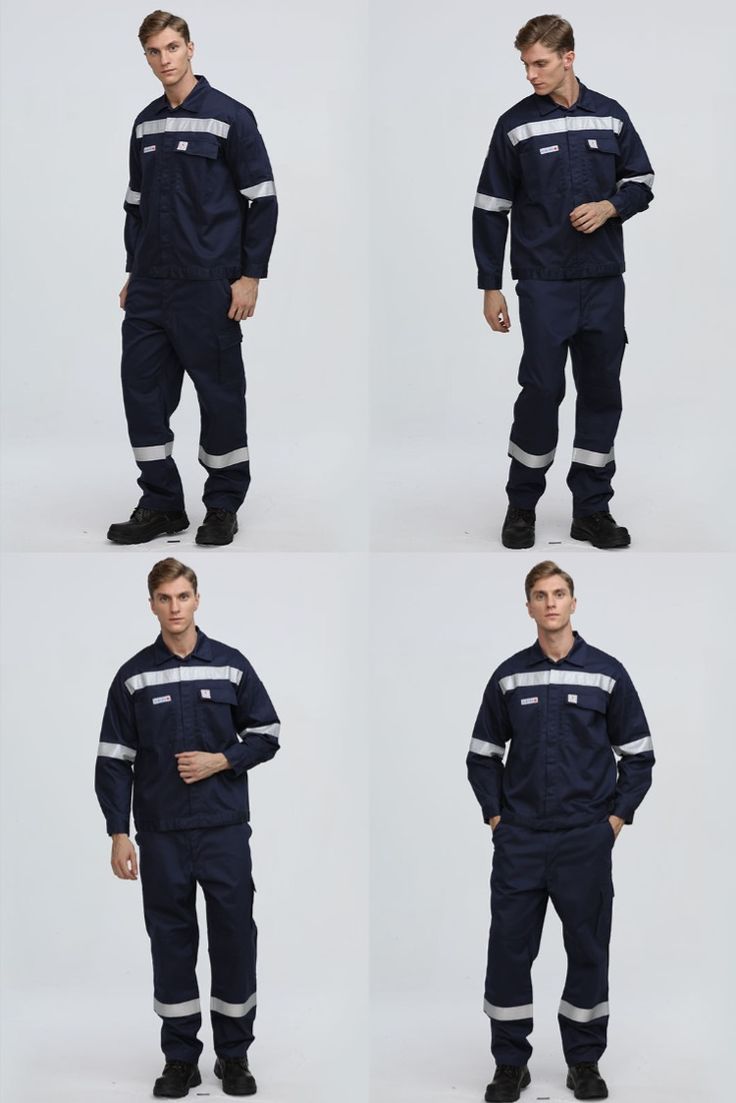
Modern industrial workwear combines safety features with practical design elements
In Saudi Arabia's diverse industrial landscape—from oil and gas to manufacturing and construction—the right workwear isn't just about corporate identity; it's a critical component of workplace safety and operational efficiency.
Industrial workwear must stand up to challenging conditions while providing protection, comfort, and functionality. This article explores the essential features that define quality industrial uniforms and why they matter for businesses operating in demanding environments.
Fire Resistance and Flame Retardant Properties
For industries where workers may be exposed to heat, sparks, or open flames, fire-resistant (FR) workwear is non-negotiable. These specialized garments are designed to self-extinguish when removed from a fire source, preventing continued burning and minimizing injury.
Modern FR fabrics are treated with specialized chemicals or made from inherently flame-resistant fibers like modacrylic, aramid, or special cotton blends. The best industrial workwear provides protection that lasts through multiple washes and extended wear periods.
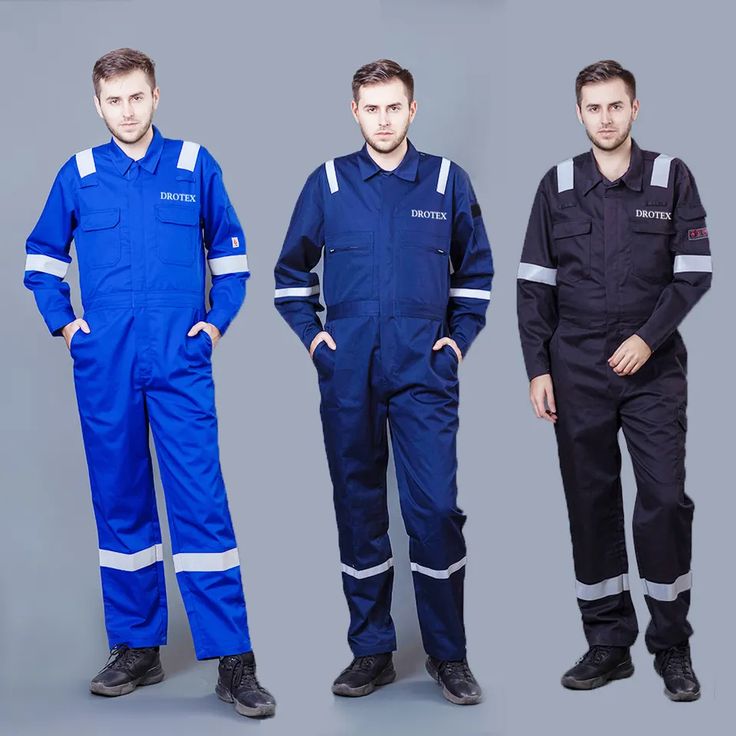
Fire-resistant workwear being tested in laboratory conditions
High Visibility Elements
In environments with moving machinery, vehicles, or low-light conditions, high-visibility workwear is essential for worker safety. These garments incorporate fluorescent materials and retro-reflective strips that make workers visible from all angles.
High-visibility workwear typically follows international standards such as ANSI/ISEA 107 or EN ISO 20471, with different classes based on the risk level of the work environment. For the most hazardous conditions, Class 3 garments provide the maximum visibility through larger areas of fluorescent material and reflective elements.
Chemical Resistance
Workers in petrochemical plants, laboratories, and manufacturing facilities often need protection from hazardous substances. Chemical-resistant workwear is designed to prevent these materials from reaching the skin, where they could cause burns, irritation, or more serious health effects.
These specialized garments are often made from synthetic materials like neoprene, nitrile, PVC, or laminated fabrics with barrier properties. The specific resistance depends on the chemicals present in the workplace, making proper material selection crucial for adequate protection.
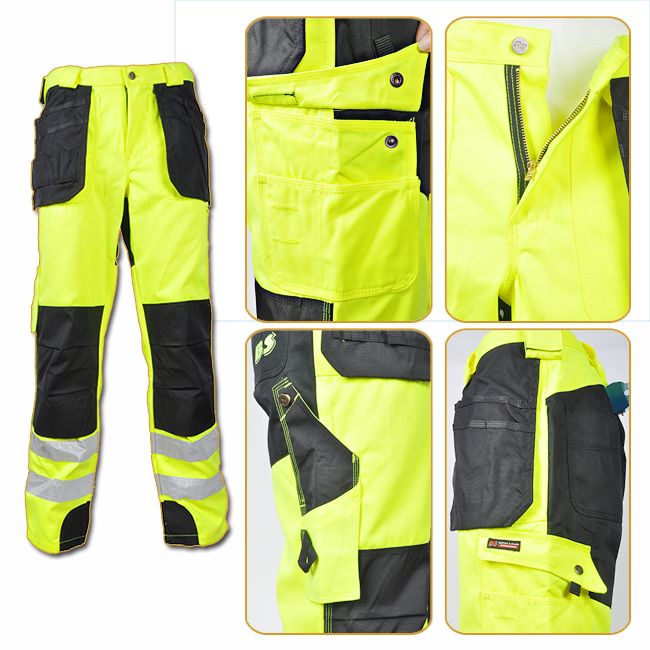
Chemical-resistant workwear provides protection against hazardous substances
Anti-Static and ESD Protection
In environments where static electricity poses risks—such as electronics manufacturing, facilities with flammable materials, or explosive atmospheres—anti-static workwear is crucial for safety.
These specialized garments incorporate conductive fibers that prevent the buildup of static electricity by allowing it to dissipate safely. For electronic component manufacturing, ESD (Electrostatic Discharge) protective clothing prevents damage to sensitive components while also protecting workers.
Durability and Tear Resistance
Industrial workwear must withstand harsh conditions, repeated washing, and constant use. Durability features include:
- Reinforced stitching at stress points
- Double-layered knees and elbows
- Ripstop fabrics that prevent small tears from spreading
- Bar tacks at pocket corners and other high-stress areas
- High-quality YKK or similar zippers that withstand repeated use
These features ensure that workwear maintains its protective properties throughout its service life while providing better value through extended usage.
Climate Adaptation for Saudi Conditions
Saudi Arabia's climate presents particular challenges for industrial workwear. With temperatures frequently exceeding 40°C in summer months, heat stress is a significant concern for industrial workers.
Modern industrial workwear addresses these challenges through:
- Breathable fabrics that allow air circulation
- Moisture-wicking properties that draw sweat away from the body
- Lightweight construction that maintains protection without unnecessary bulk
- Ventilation zones strategically placed to maximize cooling
- UV protection for outdoor work environments
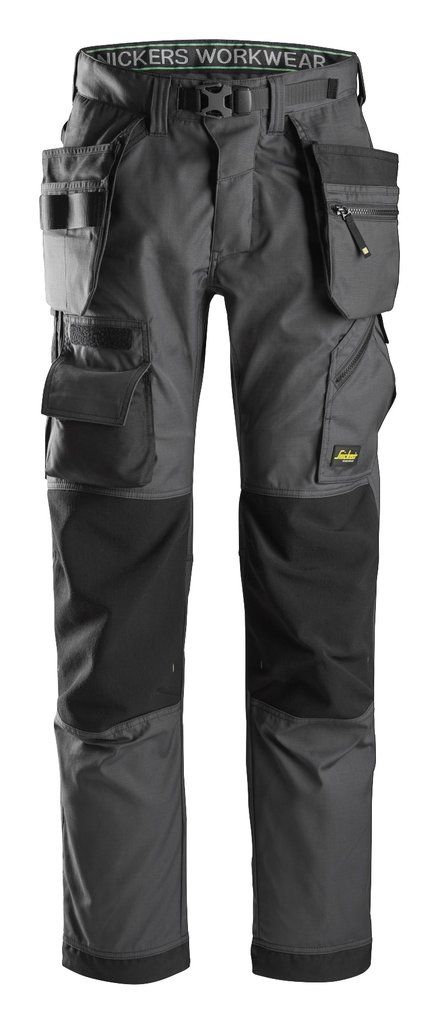
Modern workwear with integrated cooling technology for hot climates
Ergonomic Design for Comfort and Mobility
Worker productivity and comfort depend significantly on how well their workwear accommodates movement. Quality industrial uniforms incorporate ergonomic design elements such as:
- Articulated knees and elbows that follow natural body movement
- Gusseted crotch for enhanced freedom of movement
- Stretch panels at key mobility points
- Adjustable features like waistbands and cuffs
- Anatomically correct fit that accommodates different body types
These design elements ensure that workers can perform their duties efficiently without being restricted by their clothing, reducing fatigue and improving overall productivity.
Practical Storage Solutions
Industrial workers often need to carry tools, devices, or small parts as they move throughout a facility. Well-designed workwear includes thoughtful storage options:
- Reinforced tool pockets with easy access
- Secure closures to prevent items from falling out during movement
- Specialized pockets for specific tools or devices
- Balanced pocket placement that distributes weight evenly
- Internal pockets for valuable or sensitive items
These features eliminate the need for separate tool belts in many cases and keep necessary items within easy reach throughout the workday.
Compliance with International and Local Standards
Quality industrial workwear complies with relevant safety standards and regulations. In Saudi Arabia, this includes both international standards and specific requirements set by the Saudi Arabian Standards Organization (SASO).
Key standards that may apply to industrial workwear include:
- NFPA 2112 and NFPA 70E for flame-resistant clothing
- EN ISO 11612 for heat and flame protection
- ANSI/ISEA 107 for high-visibility safety apparel
- EN 1149 for electrostatic properties
- SASO specific requirements for the Saudi market
Compliance with these standards ensures that workwear provides the necessary protection for specific hazards and meets legal requirements for occupational safety.
Conclusion
Selecting the right industrial workwear involves understanding both the hazards present in the workplace and the features that address them. Quality workwear combines protection, comfort, and durability to create garments that enhance safety while supporting productivity.
For businesses operating in Saudi Arabia's industrial sector, investing in properly specified workwear is not just about regulatory compliance—it's about protecting valuable human resources and demonstrating a commitment to workplace safety.
By prioritizing these essential features in your industrial uniform program, you create a safer working environment while potentially reducing costs related to workplace injuries, employee turnover, and uniform replacement.
Ahmed Khan
Ahmed is a safety compliance expert with over 20 years of experience in industrial sectors across the Middle East. He specializes in workwear solutions that meet international safety standards while addressing the unique challenges of the Saudi Arabian climate and working conditions.
Share this article:


